Hijama therapy, commonly known as wet cupping, is a traditional healing practice that has been used for centuries across many cultures. While modern medicine continues to advance, interest in holistic and complementary therapies has grown as people seek natural ways to support wellness, circulation, and balance. Hijama therapy blends historical wisdom with structured application to support the body natural healing processes.
At Canton Medical Clinic in Westland, Hijama therapy is approached with clinical care, safety, and patient education in mind. Understanding what Hijama is and how it works helps individuals make informed decisions about incorporating this traditional therapy into a broader wellness plan.
Hijama has roots in ancient medical traditions and has been practiced for thousands of years. It was historically used in Middle Eastern, Chinese, and Greek cultures as a way to promote circulation and relieve physical discomfort.
The term Hijama refers to the process of drawing out stagnant blood believed to contribute to discomfort or imbalance. Over time, the practice evolved with more structured methods and guidelines focused on safety and hygiene.
Today, Hijama is recognized as a complementary therapy that supports wellness rather than replacing conventional medical care.
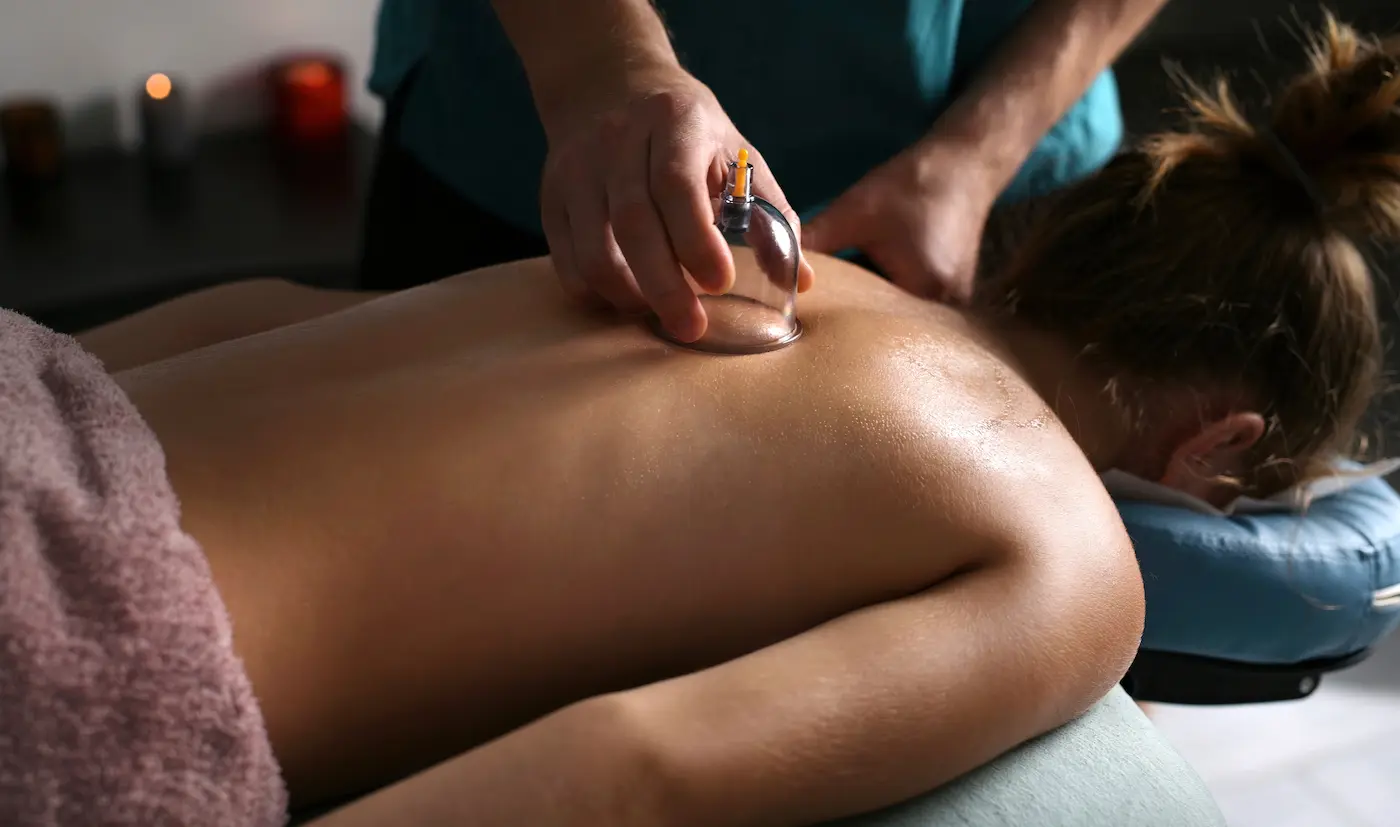
Hijama therapy involves the placement of specialized cups on specific areas of the body. These cups create gentle suction that draws blood toward the surface of the skin.
In wet cupping, tiny superficial incisions are made after suction is applied. A small amount of blood is then released before the area is cleaned and dressed. The process is carefully controlled and performed under hygienic conditions.
The therapy is typically completed within a short session and followed by rest and hydration.
Cupping therapy focuses on stimulating circulation and encouraging the body to remove stagnation. By drawing blood to targeted areas, Hijama supports increased blood flow and oxygen delivery.
Improved circulation may help muscles relax and reduce localized tension. Many individuals seek Hijama to support physical comfort and mobility.
The therapy also stimulates the lymphatic system, which plays a role in waste removal and immune function.
Hijama therapy has long been associated with several traditional wellness benefits. While individual experiences vary, many people pursue Hijama to support:
These benefits align with holistic approaches that focus on supporting the body rather than targeting a single symptom.
One of the most common reasons individuals explore Hijama therapy is for discomfort related to muscle tension or chronic strain. Areas such as the back, shoulders, and neck are commonly treated.
By increasing circulation and releasing tight tissue, Hijama may help reduce localized discomfort. Many people report a feeling of lightness or relief following treatment.
Professional application ensures that therapy is tailored to individual needs and comfort levels.
Traditional practitioners believe Hijama supports detox by helping the body remove waste products through improved blood and lymph flow. While the concept of detox varies across medical perspectives, increased circulation supports tissue health and recovery.
Enhanced circulation allows nutrients and oxygen to reach tissues more efficiently while supporting the removal of metabolic byproducts.
This process contributes to overall vitality and physical comfort.
A Hijama session begins with a consultation to review health history and goals. Treatment areas are selected based on individual concerns.
The skin is cleaned thoroughly before cups are applied. Suction is gentle and controlled to ensure comfort. During wet cupping, superficial incisions are made with sterile tools.
The procedure is closely monitored throughout the session. After completion, treated areas are cleaned and covered as needed.
After Hijama therapy, mild soreness or temporary marks may appear at treatment sites. These effects typically fade within several days.
Patients are encouraged to stay hydrated, rest, and follow any aftercare guidance provided. Avoiding strenuous activity immediately after treatment supports recovery.
Proper aftercare helps maximize comfort and benefit.
Hijama therapy may be considered by individuals interested in complementary wellness approaches. It is often chosen by those who:
A professional consultation ensures therapy is appropriate and safely administered.
Safety is essential when performing Hijama therapy. Proper training, sterile equipment, and hygiene protocols reduce risks and ensure patient comfort.
At Canton Medical Clinic, Hijama therapy is delivered with medical awareness and attention to safety. Treatments are guided by professional standards rather than informal practice.
Medical oversight ensures Hijama is integrated responsibly into a patient overall care plan.
Hijama therapy works best when combined with healthy lifestyle habits and conventional medical care when needed. It is not intended to replace medical treatment but to complement it.
Many individuals incorporate Hijama alongside nutrition, movement, and stress management strategies for a balanced approach to wellness.
This integrated perspective supports long term health rather than short term relief alone.
Beyond physical effects, Hijama holds cultural and spiritual significance for many individuals. The practice often represents renewal, balance, and self care.
Acknowledging this aspect respects the holistic nature of wellness and the diverse ways people approach health.
Hijama therapy offers a bridge between traditional practices and modern wellness care. With proper guidance and safety standards, it can support comfort and wellbeing in a structured way.
Understanding the therapy helps individuals approach it with realistic expectations and informed choice.
If you are interested in exploring Hijama therapy as part of your wellness routine, professional guidance is essential. A consultation helps determine whether this traditional approach aligns with your health goals.
Contact Canton Medical Clinic in Westland, MI, to schedule a Hijama therapy consultation and learn how cupping therapy may support circulation, comfort, and overall wellbeing through a safe and informed approach.
